Memes have become a defining feature of internet culture, constantly evolving to fit new platforms and communication styles. While traditional memes—static images, GIFs, or videos paired with humorous text—have dominated for years, a new contender has emerged: meme sound buttons. These short, often absurd audio clips are designed to be shared and triggered instantly, offering a different kind of comedic experience. Comparing meme sound buttons to traditional memes reveals interesting insights about how humor works online and which format delivers laughs more effectively.
The Appeal of Traditional Memes
Traditional memes rely heavily on visual and textual cues. They combine images, videos, or GIFs with captions that provide context, irony, or satire. Their humor often comes from relatability, cultural references, or clever wordplay. For instance, a meme about struggling with Monday mornings resonates because it mirrors a shared human experience.
The strength of traditional memes lies in their versatility and accessibility. They can be easily edited, remixed, and adapted to different contexts. Their visual nature makes them easy to consume quickly, allowing users to scroll through a feed and instantly understand the joke. Additionally, traditional memes often engage multiple cognitive processes: pattern recognition, inference, and context interpretation, which enhances the sense of satisfaction when the humor lands.
However, traditional memes also have limitations. Humor can be diluted if the audience isn’t familiar with the reference, and their static nature sometimes restricts emotional impact. While a funny image can be amusing, it may not always provoke the immediate, visceral reaction that sound can trigger.
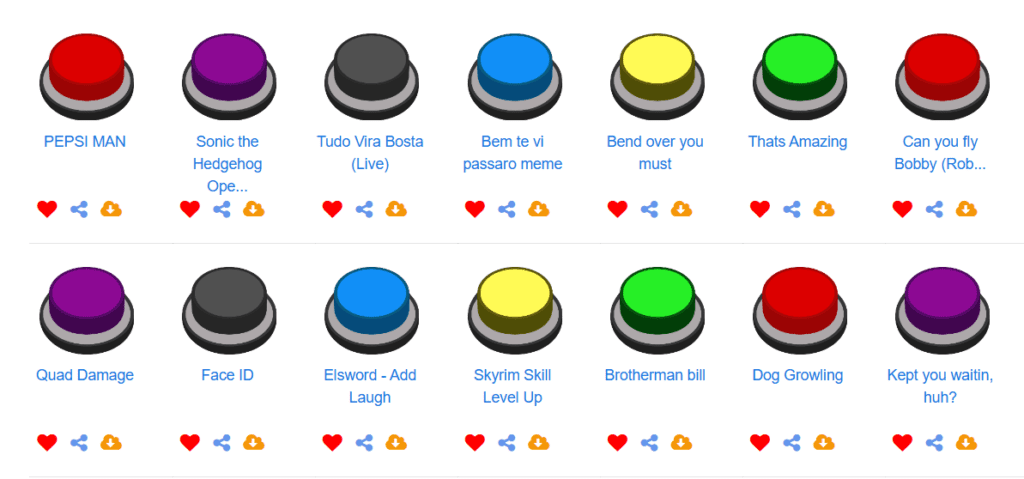
The Rise of Meme Sound Buttons
Meme sound buttons, by contrast, focus on audio humor. These are short sound clips—ranging from cartoonish noises to famous catchphrases—that can be triggered with a tap or click. The primary appeal of sound buttons is their immediacy and unpredictability. A sudden “bruh” or exaggerated slap sound can evoke laughter instantly, often without the need for prior context.
Audio engages the brain differently than visual content. Sound stimulates emotional responses more directly, often triggering reflexive laughter rather than thoughtful chuckles. Additionally, meme sound buttons thrive in social settings like group chats or live streams, where shared timing and reactions enhance the comedic effect. Hearing a perfectly timed sound clip in response to a funny situation can amplify the humor far beyond what a static image could achieve.
Sound buttons are also highly adaptable. They can be layered, remixed, or combined with other media, creating dynamic humor that evolves quickly. Their repetitive nature helps establish familiarity; once a clip becomes popular, simply hearing it can provoke laughter, even without additional context.
Which Is Funnier?
Deciding which is funnier—traditional memes or meme sound buttons—depends on how humor is experienced. Traditional memes excel at cleverness, relatability, and visual storytelling. They often require a moment of reflection, rewarding users with a sense of recognition or wit. Meme sound buttons, on the other hand, excel at immediacy and emotional impact. They provoke laughter through surprise, absurdity, and timing, often requiring no cognitive effort to enjoy.
In many cases, the formats complement each other. A meme image accompanied by a sound button can enhance both visual and auditory humor, creating a multi-sensory comedic experience. The combination leverages the strengths of each medium, producing a richer and often funnier reaction than either could achieve alone.
In conclusion, traditional memes and meme sound buttons each have unique comedic advantages. Traditional memes offer cleverness, context, and relatability, while sound buttons provide immediate, visceral, and often absurd humor. Ultimately, the funniest choice depends on the audience, the situation, and personal preference. In the evolving landscape of internet humor, both formats will continue to coexist, often blending in creative ways that keep online audiences laughing.
For more information, visit https://memesoundbutton.com/.
 Meme Soundboards